[vc_row][vc_column][vc_column_text css=””]October 30, 2025
Conversations about Health Literacy & Community Support for English-Speaking Communities in Quebec (ESCQ)
Have you ever struggled to understand a health document, book an appointment, or find support to improve your literacy skills? You’re not alone.
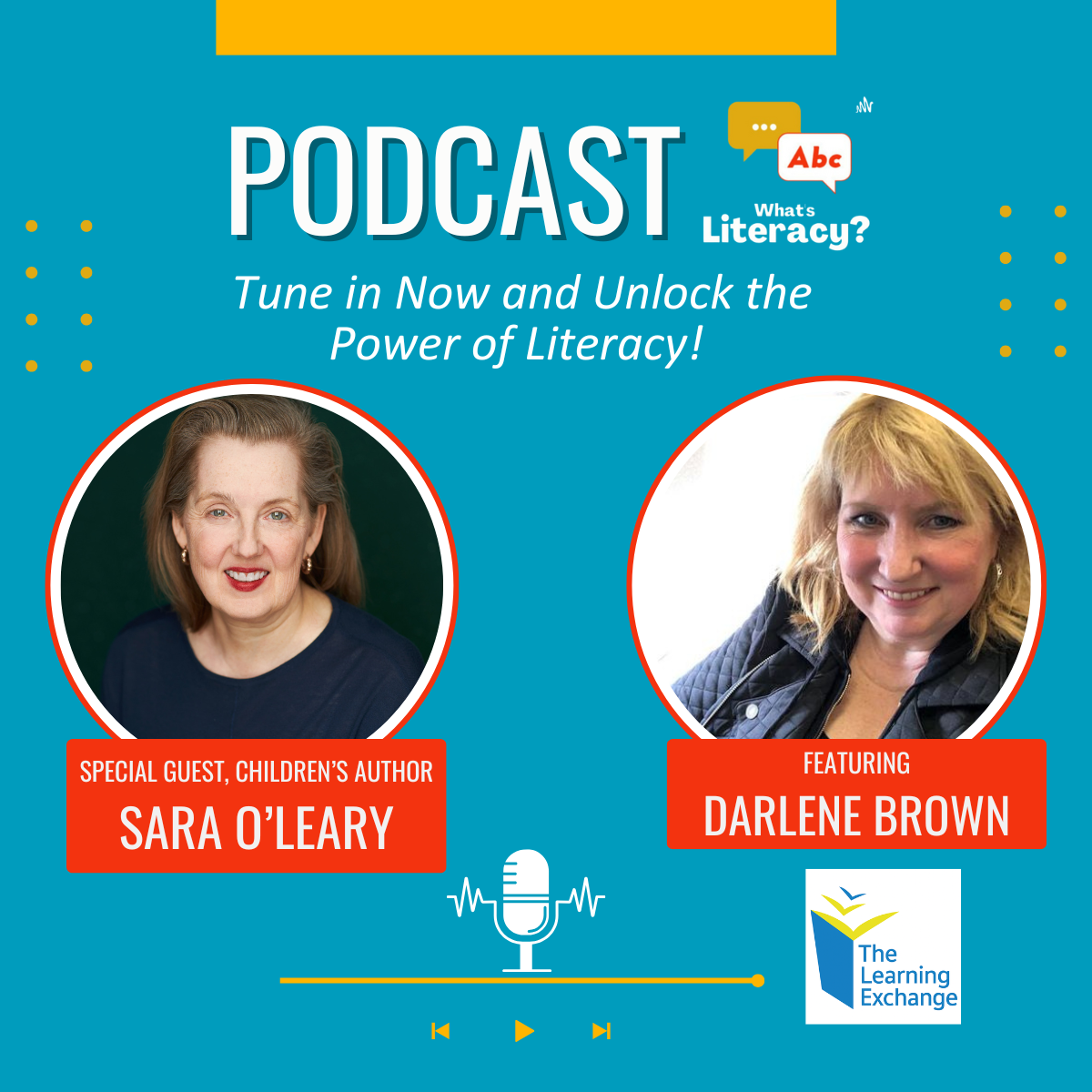
In the latest episode of the What’s Literacy? Podcast, host Dan Laxer chats with Therese Callahan, Community Outreach Coordinator at Assistance and Referral Centre (ARC), to talk about the importance of health literacy and the role ARC plays in helping English-speaking individuals on the South Shore navigate health and social services. Dan also speaks with Marlene Dagenais, Executive Director of our member organization, the Laurentian Literacy Centre, about the work they do to help the English-speaking community in the Laurentian region with their literacy skills.
Part 1: A Conversation with Therese Callahan from Assistance and Referral Centre (ARC)
What is Health Literacy?
According to Therese, health literacy is about more than reading a prescription label. She defines health literacy as the ability to find, understand, evaluate, and use health information to make informed decisions about our well-being. “Across communities, people face gaps in services, language barriers, technology barriers, and confusing messaging,” Therese explains. “When I talk about health literacy, I mean the practical, everyday skills that let someone book an appointment, understand test results, follow a care plan, and decide what is best for themselves and their loved ones.”
Who is the Assistance and Referral Centre (ARC)?
ARC is a not-for-profit community organization that supports English-speaking individuals on the South Shore (in the Montérégie region). They help people navigate the health and social services systems by offering referrals, direct support, and programming that fills gaps these systems may leave open. “Our work covers multiple needs and ages,” Therese explains. “We support seniors, caregivers, military families who are new to the area, young parents, teenagers, and adults who need help accessing mental health resources in English.”
Digital Health, Telemedicine, and AI
Telemedicine and online health portals are convenient, but only when people can use them. Therese explains how ARC helps people interpret the information they find online. This includes showing people how to use their devices and how to interact with AI tools in ways that support their health, without replacing professional medical advice.
“We never assume everyone has digital access or preferences,” Therese says. “Some seniors still prefer printed newsletters and face-to-face conversations. We adapt to the tools people actually use while offering pathways to learning new ones.”
When Health Information Feels Overwhelming
We live in an environment where headlines, sound bites, and political statements can cause confusion about medication or public health measures. If you read something scary and wonder whether a drug or a vaccine is safe, that concern can be a sign of good health literacy. It can mean you’re paying attention and trying to decide what’s best for you.
Here are practical steps you can take when encountering worrying health news:
- Pause and avoid making immediate decisions based on a headline.
- Check reputable health organizations such as Health Canada, Mayo Clinic, or Cleveland Clinic for peer-reviewed information.
- Talk to your family doctor or a trusted health professional who knows your medical history.
- If needed, ask community organizations for help interpreting the information and finding resources in your language.
Therese emphasizes the importance of letting people decide what to do about their health. “Our role is to provide evidence-based information, outline the options, and help people make informed personal choices,” Therese explains. “That is the heart of empowering health literacy.”
Vaccines, Policy Changes, and Personal Choice
Health policies change. Therese explains that when the COVID-19 vaccination availability changed and no longer remained free for the general public, ARC helped people understand what that change meant for them—such as explaining eligibility criteria, helping with appointments, and providing transportation and translation when needed.
As an organization, ARC does not give advice for or against any vaccine for all people. “Our focus is on ensuring people can access accurate information and make their own decisions,” Therese says. “If someone is unsure about a vaccine, we talk through their situation: Are you caring for someone vulnerable? Do you have chronic conditions? What are the risks and benefits in your case? Those conversations respect personal freedom while centering agency and information.”
Part 2: A Conversation with Marlene Dagenais from Laurentian Literacy Centre
In the Laurentians, Marlene Dagenais leads a community-based literacy centre that offers free literacy services to English-speaking individuals. They offer literacy support in tasks that require reading, writing, math, document help, and digital literacy support in navigating phones, tablets, and other devices. The centre has many programs, such as after-school sessions, adult literacy classes, and parent/youth programs.
Challenges
Yet, the centre does face some challenges. “The role of the volunteer has changed,” Marlene explains. “Living in our rural area, it’s hard to find the right volunteers and meet the needs of those volunteers. Family dynamics have changed. Economically, both parents need to work now. Everyone’s just so busy. To find the right volunteer and match them with the right student for them—it’s a lot of work.”
Successes
Despite these challenges, the centre also experiences many accomplishments. “When we see a youth or adult transition to becoming a more empowered and confident person and have that “aha” moment—it’s amazing,” Marlene says. “That’s what it’s all about.” The centre marks its 45 anniversary this year and is continuously growing and evolving to meet community needs.
Get Connected
Assistance and Referral Centre (ARC): If you’re looking for assistance with health and social services in English on the South Shore, you can reach ARC at (514) 605-9500, by email at info@arc-hss.ca, or visit their website: https://arc-hss.ca/
Laurentian Literacy Centre: If you’re an English-speaking adult looking to improve your literacy skills in the Laurentian region or are looking to volunteer to help adult learners improve their literacy skills, contact the Laurentian Literacy Centre at (450) 562-3719 or visit their website: https://laurentianliteracy.ca/ [/vc_column_text][/vc_column][/vc_row]